Sign up for the farmnewsNOW newsletter
(Twitter/@wljnet)
Year in Review

Year in Review: Livestock transport regulations

Jan 1, 2020 | 12:00 PM

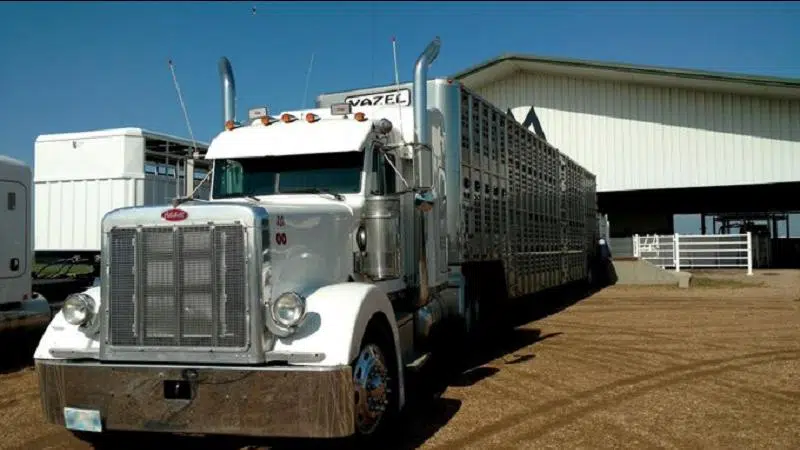
In February the federal government announced changes to the livestock transport requirements under the Health of Animals Regulations.

The proposed regulations would reduce the time in transport allowed for cattle from the current 48 hours to a maximum of 36 hours cattle could go without feed, water and rest.

The livestock industry immediately raised concerns over the lack of available facilities for off-loading the animals and the potential animal health risks that could occur with commingling of animals.

The Canadian Food Inspection Agency (CFIA) said the amendments came from extensive consultations with farm groups, transporters, members of the public and interested groups, which resulted in an unprecedented number of responses, 51,000, to the proposals.

The cattle industry got a reprieve on enforcement of new transport regulations in December when Federal Agriculture Minister Marie-Claude Bibeau announced a grace period to provide more time for education, awareness, addressing infrastructure needs and research.

Saskatchewan Stock Growers President Bill Huber said his group had been pushing for a delay in the regulations.

“Our association has lobbied pretty hard for those changes not to take effect immediately until there’s more consultation with industry groups. This is certainly good news, because the numbers don’t show there’s enough harm to livestock by keeping trailers out longer,” Huber said. “I think they need to do some more research and study on that. But it’s certainly good news.”

“There’s a lot of feeder cattle moved from Alberta to central Canada,” he said. “Those cattle would have to be unloaded and we were concerned if there was enough space to unload them and they’re comfortable when they are unloaded and they’re not sitting on a trailer somewhere in the yard waiting to be unloaded.”

Huber said a few years will give the industry time to set up infrastructure for transit points. He said he has had personal experience transporting cattle.

“I’ve trucked cattle all over Canada and North America. If you unloaded at 36 hours or 24 hours, there’s as much stress on loading and unloading those cattle as there is leaving them on a trailer. Ninety per cent of the time they won’t eat or drink if they’re loaded and not crowded,” he added. “All transport haulers are very good that way with care and concern of the cattle they’re hauling. We’re just thinking that the numbers didn’t prove that there was that many injured cattle coming off trailers after a 48-hour period.”

CFIA said the overall objective is that animals arrive at their destination safely, and are suitably fed, hydrated and rested. These amendments go beyond transport journey times to cover the full time an animal is prepared for transit to the time they arrive at their new location.

alice.mcfarlane@jpbg.ca

On Twitter: @AliceMcF

View Comments