Sign up for the farmnewsNOW newsletter
ID 110980820 © Pictureguy66 Dreamstime.com
Saskatchewan Cattle Inventory

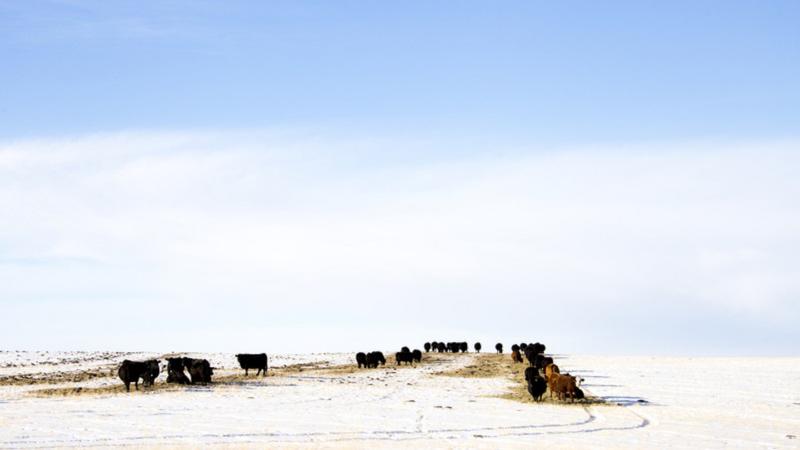
Saskatchewan beef cattle herd increases

Mar 3, 2021 | 9:44 AM

MELFORT, Sask. — Statistics Canada reported on-farm national cattle numbers were down one per cent at the beginning of this year compared to January 1, 2020.

Saskatchewan was the exception where the beef herd numbers went up. There were 1,091,300 beef cows on Saskatchewan farms on Jan. 1. That is an increase of 16,800 head over the previous year.

There were 164,200 beef replacement heifers which was up nearly 12,000 head from January 1, 2020.

Meanwhile, on-farm national cattle numbers have experienced a steady decline with inventories down more than 25 per cent from the peak on January 1, 2005.


Sandy Russell is a partner in Spring Creek Land and Cattle Consulting in Outlook, Sask. She said Saskatchewan’s total cattle inventory was up 2.5 per cent.

“Our beef cows were up 1.5 per cent. Those are significant numbers and something I think is worthwhile watching,” Russell said. “When we look at our replacement heifers, there is a substantial increase of almost eight per cent.”

Russell said even more interesting the statistics for one year old steers shows an increase of 8.6 per cent over January 1, 2020.

“There are some numbers to keep an eye on. I’m always cautious about survey data but there is definitely something going on here in Saskatchewan with regard to cattle inventories compared to what we’re seeing in the other regions.”

Russell said the herd numbers are down in several regions of the country. Alberta continues to have the largest cattle numbers in Canada but there were year-to-year declines in inventory of 3.3 per cent.

“Their beef cows would be steady to down marginally. Manitoba saw decreases as well. This is by no means a reason in Saskatchewan to say we’re going to drive the national herd when the largest component of the beef industry in Alberta is seeing a shift downward.”

Statistics Canada said the number of Alberta steers on feed over one year of age was down about eight per cent year-over-year as of January 1, 2021.

The specific reason for the higher cattle numbers in Saskatchewan is hard to pinpoint, according to Russell.

“I think there has definitely been quiet movement to some increased capacity here in Saskatchewan for cattle on feed numbers. This is strictly speculative on my part, but when you look at some of the policies related to irrigation and some of the significant moves in agriculture, hopefully that’s starting to translate into cattle inventory here in the province,” she said.

alice.mcfarlane@jpbg.ca

On Twitter: @AliceMcF

View Comments