Sign up for the farmnewsNOW newsletter
(Image Credit: FIle photo/farmnewsNOW Staff)
global demand for Canadian crops

Commodity prices staying relatively strong

Sep 22, 2026 | 2:40 PM

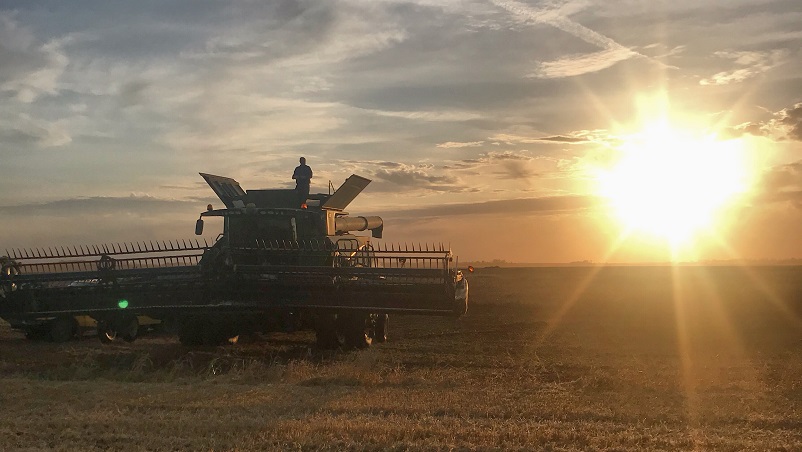
As the combines roll, farmers are contemplating the commodity markets and when will be the best time to sell.

Portfolio manager of Ventum Financial David Derwin said canola and wheat prices had big swings but overall remain on track to go higher over the long term.  

Canola prices have been on a positive trend since the beginning of the year. Derwin said over the last two weeks, the November canola contract has been trading between $810 and $840 a metric tonne. 

“That $840 level has been an overhead resistance level in the sense that it would reach that price two, three, four times and always come back down a bit,” Derwin said. “But with all grain markets still pointing higher, it wouldn’t take much for canola to break through that.” 

Wheat prices are slightly different with pressure on the high end at the beginning of the month with the ongoing fighting between Russia and Ukraine causing some supply concerns. 

“Since then, wheat has come off, depending on which market you look at, 50 to 60 cents U.S. a bushel, but still within a longer-term uptrend as well,” he said. 

Derwin can see some harvest pressure on cash prices rather than on the futures market as this season has been variable across the Prairies. As farmers take wheat off the field and decide to dry it and sell it, similarly with canola, there is a little bit of pressure.  

“The fact that we really haven’t moved down very much in what is typically a bit of a seasonal lull in the harvest pricing period it shows that there’s some underlying strength or at least some underlying concern about availability and demand and must be strong to keep that up. There was some influence, especially if you look at some of the cash prices.” 

Futures markets have also been fairly steady despite the time of year. Derwin wouldn’t be surprised to see a premium price on top graded commodities once the harvest is complete. 

“There could be situations where there might be pockets of production that weren’t quite as good. Also, the commodities can vary whether it’s a pulse or durum or wheat or canola or whatever it might be. The variability in production and the growing season and now harvest is different in each region,” he said. “There certainly could be good pockets of buying that are going to come in and maybe some areas too where production is quite good.” 

Derwin said growers need to keep a close eye on what local prices are doing as well as the futures markets because they all work together. 

alice.mcfarlane@pattisonmedia.com

View Comments