Sign up for the farmnewsNOW newsletter
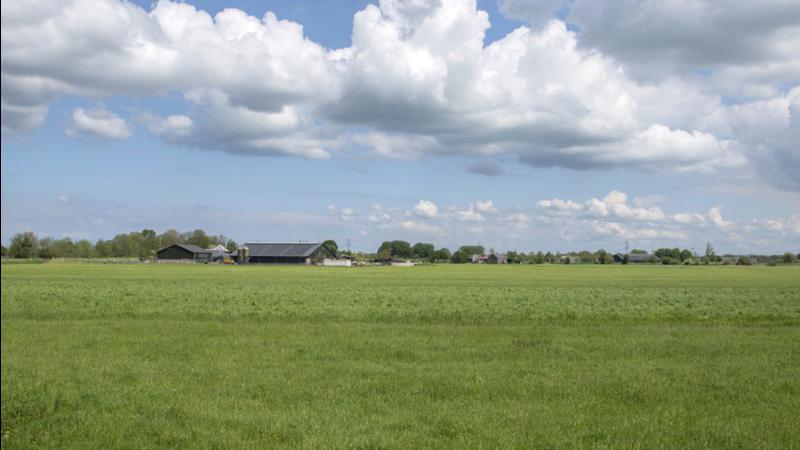
ID 317570538 © Robert Van 't Hoenderdaal Dreamstime.com
Studying farmland ownership in Saskatchewan

Saskatchewan farm group wants thorough review of farmland ownership rules

Nov 14, 2025 | 9:31 AM

The Agricultural Producers Association of Saskatchewan (APAS) is sounding the alarm on the issue of illegal foreign farmland ownership.

In a letter sent to Agriculture Minister Daryl Harrison, APAS warns of “systematic challenges to farmland ownership” in Saskatchewan, as well as suspicions of “indirect forms of foreign ownership, including corporate structures and financial instruments”.

APAS President Bill Prybylski said the Saskatchewan government set up a farmland ownership advisory committee a few months ago and the organization was asked to make a submission.

Prybylski said he has no proof of foreign farmland ownership, but it is a topic that comes up regularly.


“Anytime we have a gathering of our APAS reps, we’re always getting anecdotal stories of problems with farmland ownership, that there’s concerns about foreign ownership, there’s concerns about foreign money funding the purchase of farmland,” he said. “While we don’t have any specific examples it’s just a reoccurring perception out there, whether real or perceived that there are some issues where the act is being contravened.”

Prybylski said APAS wants the provincial government to take those concerns seriously.

“Look into whether or not there are instances where the Farmland Ownership Act is being contravened and what are the steps needed going forward to prevent that type of transaction being allowed to take place,” he added.

Prybylski said the more buyers that are in the market, the more impact it’s going to have on the price of farmland. He said there should be an ownership verification process.

“Our hope is that whoever is purchasing land would be able to verify that they are, in fact, a Canadian resident. That’s what the rules state now that that only Canadian residents can own farmland in Saskatchewan. There needs to be a process in place that can accurately determine that, in fact, the owners of this land are Canadian residents.”

Prybylski said the financing of farmland purchases must also be closely scrutinized.

“There’s speculation that the money is coming from foreign investors and there’s a backdoor method to get that investment into Canada or into Saskatchewan. We need to see a method set up where you follow the money to find out or to ensure that that money isn’t coming from a foreign entity but that it is in fact Canadian financing,” he said.

Prybylski said that charitable land ownership must also be monitored, so there isn’t a loophole in the system where charitable organizations that are purchasing farmland aren’t being used as a front door to acquire farmland.

“Churches, for example, own farmland for their own purposes or to raise money for their own congregations. That’s perfectly fine. We like to see land owned by towns and to raise money for funds for their community center or the curling rinks or their hockey rinks. So that’s what we would like to do, ensure that stays an option for those entities. We want to make sure charitable organizations that are purchasing farmland are legit.”

Prybylski said the goal is to have farmland bought, owned and operated by farmers.

“Ultimately farmers owning the farmland and farming it and making a living on it and if there are other options that we can look at to make it more viable for farmers to be owning the land, that ultimately is our goal, “he said. “Maybe it’s a lofty goal, but that’s something that we’re shooting for.”

Prybylski says the advisory committee’s report is supposed to be in the hands of Saskatchewan Agriculture Minister Darryl Harrison by the end of November.

Saskatchewan NDP Associate Shadow Minister for Agriculture Trent Wotherspoon said for 18 years, the Sask. Party has been soft on illegal foreign farmland ownership.

“The loopholes in the government’s approach to this issue are so wide you can drive a combine through,” he said. “The Sask. Party needs to stop telling producers that they are wrong and start closing the loopholes.”

APAS added the current regulations and enforcement measures require significant strengthening, including through a lease registration system, stronger penalties and enforcement, monitoring corporate entities, audits of ownership records, and compliance declarations.

alice.mcfarlane@pattisonmedia.com

View Comments