Sign up for the farmnewsNOW newsletter
ID 21956601 © Charles Brutlag Dreamstime.com
2025 Saskatchewan Crop Report

Final Saskatchewan crop report shows the good and bad of this year’s harvest

Oct 30, 2025 | 1:10 PM

Harvest is virtually complete in Saskatchewan except for a few acres of later seeded crops remaining in the field.

Part of the reason for the harvest delays was the rain and snow, frost, and humidity that started in September. Provincially, 99 per cent of crops have been harvested.

Roughly 99 per cent of mustard is in the bin; canola is at 98 per cent, 94 per cent for flax, 87 per cent for soybeans and 91 per cent for chickpeas.

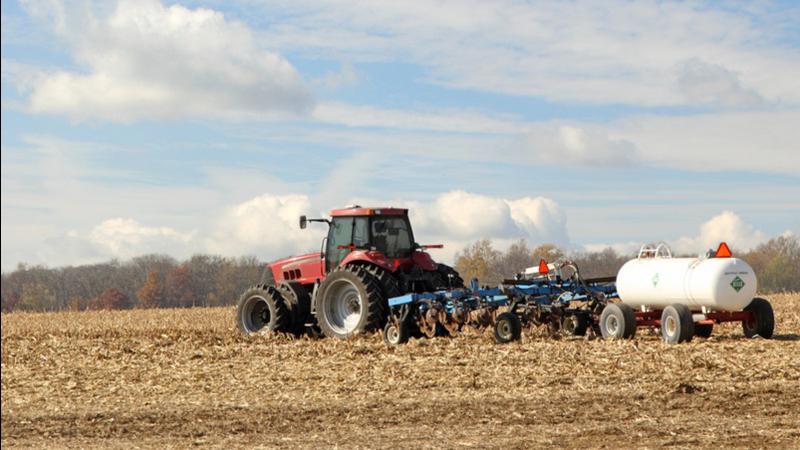
The few producers that still have crops in the field are wrapping up harvest, while most producers are continuing with fall field work prior to freeze-up. While some producers have been applying fall fertilizer, most of these operations have wrapped up for the year.


Grain producers continue with field work as they are able; livestock producers are marketing cattle, moving animals off the pasture and hauling bales.

Growing season recap

Producers began harvest slightly later this year compared to recent years, largely due to rainfall throughout the growing season and uneven crop staging in many areas.

Winter cereal and early seeded pulse crops in southern regions were the first to come off in mid-August, with most crops in central and northern regions not ready to harvest until later in August.

More rain came in late July and early August, and that caused regrowth of crops and weeds, which resulted in uneven crop maturity and complicated harvest efforts.

Growing conditions varied throughout the province this year. Some crops were seeded into dry soil and did not receive sufficient rainfall until June or July, causing uneven emergence and crop staging early in the season. Other areas had timely rainfall throughout the season, producing favourable conditions for much of the year.

Pests like Bertha armyworm, Cabbage seedpod weevil, and Richardson’s ground squirrel also posed challenges.

Crop Yields

Crops Extension Specialist Tyce Masich said all crop types yielded higher than the 10-year average.

“Spring wheat yielded 51.5 bushels an acre, barley 70 bushels an acre, canola about 42 bushels an acre, field peas yielded about 41 bushels an acre, and then lentils about 1,785 pounds per acre,” Masich said. “In general, the southeast, east central, west central, and northeast parts of the province had the highest yields, and then the yields were below average in the southwest and northwest.”

Masich said that was due to the dry conditions in those areas, especially early on in the growing season.

Crop Quality

Many crops graded in the top two quality categories, but some downgrading was reported, according to Masich.

“Most cereal crops, so winter cereal and spring cereals, graded in the 1 Canada Western (CW) or 2 CW categories. There was a good portion of durum that was in the 3 CW category. A lot of durum comes from the southwest and in general, crop quality in the southwest was a little bit more poor quality just due to very dry conditions early on, and then a whole bunch of rainfall at once,” he said.

Masich added most oilseed crops in the province landed in the one and two grades as well along with pulses that landed in the top two categories, but there were a notable portion of chickpeas and lentils that graded in the third category.

“About 30 per cent of chickpeas and 17 per cent of lentils graded in the third category. The southwest grows a lot of those crops, so it really brought the provincial average down just because it was not as good crop quality in the southwest, but for the most part, quality was good around the province this year otherwise,” Masich said.

Silage and Hay

Average silage yields in the province this year are 5.82 tons per acre, which is lower than the 6.37 tons per acre reported last year. Similarly, the average hay yields this year were lower than last year. Producers who were able to do a second hay cut reported that 24 per cent was excellent.

Hay prices vary throughout the province, but on average, alfalfa is $144.72 per ton, brome is $149.44 per ton, greenfeed is $107.73 per ton, straw is $50.83 per ton and standing hay is $63.47 per ton.

Moisture conditions

Current topsoil moisture levels vary in the province but in general, the eastern half has sufficient soil moisture levels, and the western half has drier soil conditions.

Significant rainfall and snow are needed in the coming months to replenish soil moisture levels for next spring, especially in western regions.

Most pastures reflect the soil moisture ratings quite closely. In general, pastures in the best condition heading into the winter are in the eastern half of the province, and pastures in lower conditions are located in the western half.

Fall seeded crop acreage

Producers seeded less winter cereal crops this fall as winter wheat and fall rye acres fell slightly in the province. Compared to last year, seeded acres of winter wheat decreased by eight per cent and fall rye decreased by four per cent. The highest drop in fall seeded acres was in the southeast region, while the southwest remains largely unchanged.

Farmers who have crops left to combine are harvesting before freezing up. Those finished harvest are cleaning up the field or servicing equipment. Livestock producers continue to market cattle, move animals off the pasture, and hauling bales.

Producers will enjoy a break from field work, but the winter will continue to be busy with planning for the 2026 crop.

alice.mcfarlane@pattisonmedia.com

View Comments