Sign up for the farmnewsNOW newsletter
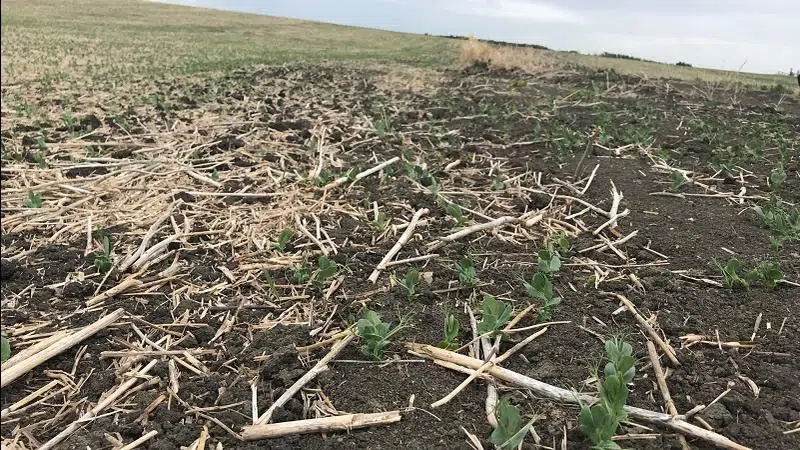
(Alice McFarlane/farmnewsNOW Staff)
Fertility In Pulse Crops

Research shows pulses sensitive to seedrow fertilizer

Mar 26, 2020 | 4:26 PM

Lentils, peas and chickpeas can be sensitive to seed-placed starter nitrogen, phosphorus and sulphur fertilizer products.

Research conducted at the University of Saskatchewan’s (USask) Department of Soil Science was led by soil fertility professor Dr. Jeff Schoenau.

A controlled environment study and a field experiment evaluated the emergence, field and nutrient uptake responses to the starter seedrow placed fertilizer blends. As well as combination products containing nitrogen phosphorus, and sulphur in soybeans, green peas, faba beans, black beans, small red lentils, and Desi chickpeas.

Schoenau said of all six pulse crops seeded, there was the strongest injury potential to starter fertilizer placed in the seedrow with lentils, peas, and chickpeas.


“We need to be cognizant of that injury potential when we put fertilizer in the seed row. It does differ depending on the pulse crop. As we increase a proportion of nitrogen relative to phosphorus, for example by having urea in a blend, it does increase that injury potential.” he said

Soybeans and black beans could tolerate slightly higher rates of starter seedrow fertilizer. Faba beans were the least affected pulse crop.

Schoenau said pulses that begin fixing nitrogen early and fix large amounts of nitrogen, such as faba beans and peas, would require the least amount of starter nitrogen.

“Overall, 10 kilograms of nitrogen per hectare or less appeared to be the limit as starter fertilizer rate in the seedrow expressed on a nitrogen basis for the blends and products for the most sensitive, least responsive crops like lentils, peas, and chickpeas,” Schoenau said.

Research also showed in the controlled environment study, soybean, black bean, and faba bean could tolerate slightly higher rates of nitrogen depending on crop and fertilizer blend or product.

“Paying attention to those maximum safe rates that are available in the Saskatchewan Ministry of Agriculture guidelines, I think it’s important to avoid injury,” he said. “For higher rates, get it out of that seed row and get it in a separate band.”

The studies were conducted on a loamy textured Brown Chernozem under good moisture conditions. There was increased injury potential in sandy texture and dry conditions.

The results of this research can be viewed on the Saskatchewan Pulse Growers website.

alice.mcfarlane@jpbg.ca

On Twitter: @AliceMcF

View Comments