Sign up for the farmnewsNOW newsletter
(Twitter/@SKAgriculture)
Carbon Tax

Farmers’ pockets hit hard by carbon tax

Feb 3, 2020 | 2:37 PM

A costing review has confirmed the significant impact of the carbon tax on farm income.

The analysis conducted by the Agricultural Producers’ Association of Saskatchewan (APAS) showed farmers will lose 12 per cent of their net income to carbon tax by 2022.

APAS President Todd Lewis said the updated estimates are devastating to producers.

“Federal Minister of Agriculture Marie-Claude Bibeau has asked the agriculture industry for evidence of what the carbon tax is costing Canadian farmers,” Lewis said in a news release. “We’ve responded with estimates that are backed up by producer bills in 2019.”


The study showed Saskatchewan farmers can expect to lose eight per cent of their total net income in 2020 to the carbon tax. For a household managing a 5,000 acre grain farm in Saskatchewan, this will take the form of a $8,000 to $10,000 bill. Lewis said when the carbon tax increases to $50 per tonne in 2022, this bill will go up to $13,000 to $17,000 for the same household.

“It’s comparable to having 12 per cent of your paycheque disappear,” Lewis said. “Farmers don’t set prices, so those increased costs are coming directly off our bottom line.”

APAS Vice President Bill Prybylski said the number reflects his personal experience.

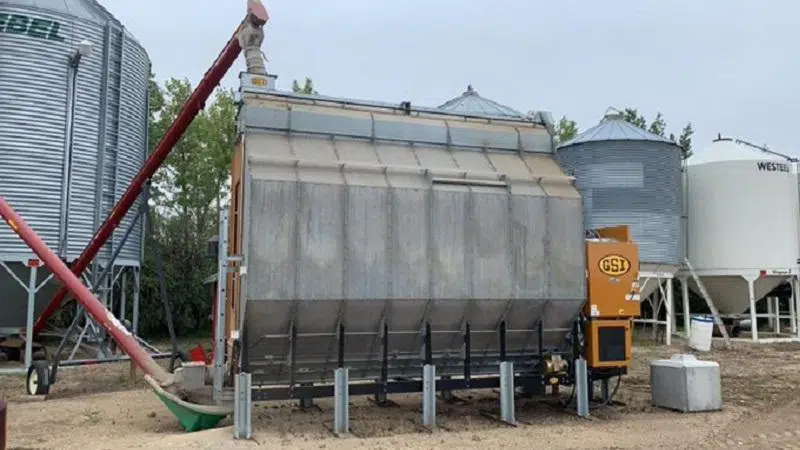
“This past year was unprecedented in terms of the role grain drying played for farmers in our province. Without using propane to dry our grain, the wet fall would have meant losing a huge portion of our crop,” Prybylski said.

APAS Vice-President Ian Boxall said rail transportation is another large and unavoidable cost incurred by farmers.

“Trucking my crop to the grain elevator and then shipping it by rail to the coast is one of my biggest annual expenses,” Boxall said. “Transporting crops is a necessary farm expense, but for some reason it’s not exempt from the carbon tax.”

Lewis said APAS is continuing to speak on behalf of Saskatchewan farmers for a carbon tax exemption on all farm expenses, including those from 2019.

“Our hope is that this is the evidence the Minister is looking for and that the federal government will step in to help farmers,” Lewis said.

The costing review took into consideration all major farm expenses not currently exempt from the carbon tax including grain drying, rail transportation, heating and electricity and truck hauling.

alice.mcfarlane@jpbg.ca

On twitter: @AliceMcF

View Comments