Sign up for the farmnewsNOW newsletter
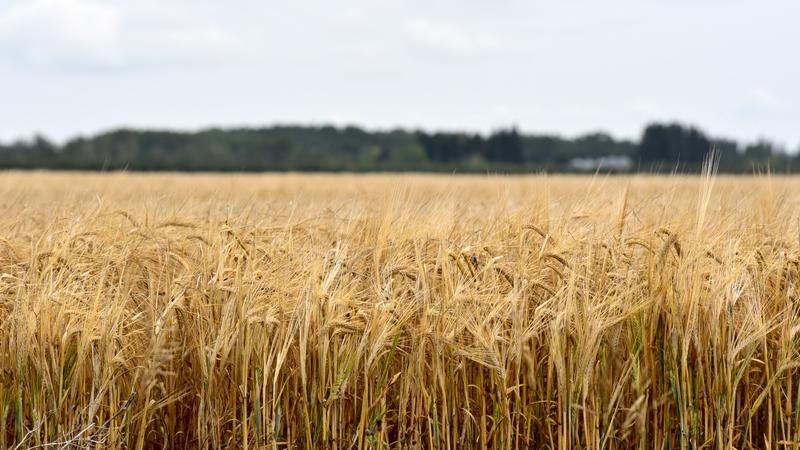
Warm weather has advanced crops in Sask. (file photo)
Crops advance

Warmer, drier week advances crops across Saskatchewan, says latest Crop Report

Jul 18, 2024 | 1:00 PM

Haying operations have also progressed with the warmer weather.

However, the concern now is the forecast, with temperatures expected to be in the 30 C range for the next week, with very little precipitation expected.

The Arborfield area saw about 40 mm of rain this past week, with Choiceland and Duck Lake receiving 33 mm. Macklin had the highest rain total at 48 mm last week.

Topsoil moisture for cropland is reported at four per cent surplus, 77 per cent adequate, and 17 per cent short. Two per cent is listed as very short. For hayland topsoil moisture, three per cent is reported as surplus, 76 per cent is listed as adequate, 18 per cent is short, and three per cent is very short.


Pasture topsoil moisture is similar, with three per cent surplus, 71 per cent adequate, 22 per cent short, and four per cent very short.

A warmer stretch of weather this past week has allowed crop development to move closer into the normal range after a slow start due to the cool, rainy conditions earlier this year.

Ninety per cent of fall cereals are at normal stages of development for this time of year. Sixty-eight per cent of spring cereals are at normal development, with 27 per cent falling behind. Oilseeds are slightly behind spring cereals, with 66 per cent of oilseeds at normal development, and 30 per cent falling behind.

Pulse crops are a bit further ahead, with 78 per cent at normal stages of development, with 18 per cent behind schedule. Seventy-seven per cent of perennial forages, and 76 per cent of annual forages are at the normal stages of development.

Meanwhile, 26 per cent of the province’s first hay cut has been baled or silaged, while 32 per cent is cut and waiting to cure, and 42 per cent is still standing. Yields are expected to be up this year, with initial estimates at 1.73 tons/acre, significantly above the five-year average of 1.01 tons/ac, and the 10-year average of 1.13 tons/ac.

Overall hay quality is listed at 28 per cent excellent, 65 per cent good, and seven per cent fair. Some areas aren’t expected to get a second cut this year due to the low rainfall totals.

A lack of moisture led to reports of minor to moderate crop damage in southwest and southeast Saskatchewan. There has been some gopher, grasshopper, hail, heat, and wind damage in crops this past week, though pest pressure remains low in many regions.

Producers are expected to be busy finishing fungicide spraying, haying operations, and prepping for harvest in the coming weeks.

View Comments