Sign up for the farmnewsNOW newsletter
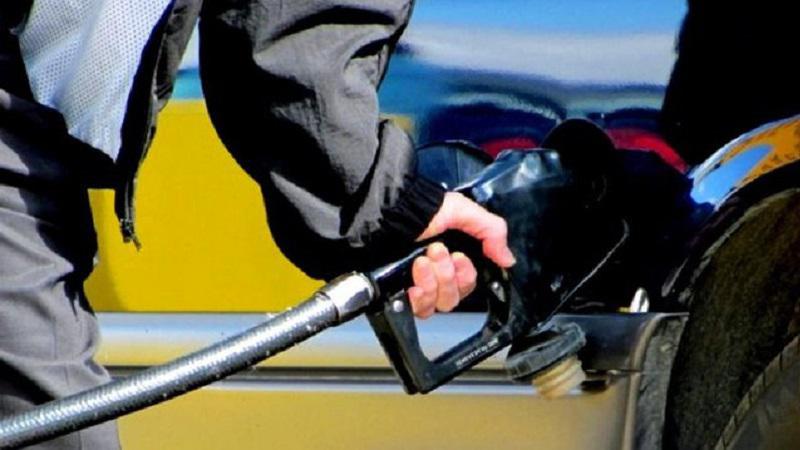
(File photo/farmnewsNOW Staff)
Rising Fuel Prices

Rising fuel costs stretch the budgets of rural municipalities

Jun 6, 2022 | 4:06 PM

MELFORT, Sask. — Rural municipalities are feeling financial pressure from rising fuel costs and there is no relief in sight.

Saskatchewan Association of Rural Municipalities president Ray Orb said this has left RM councils and administrators trying to find ways to cover the large additional cost of successfully running an RM.

“The cost of fuel has never been higher, and the ripple effect of high prices is exceptionally frustrating for rural municipalities. The increased cost of fuel directly impacts a municipalities’ day-to-day operations as well as their budgets,” Orb said.

Some RM’s use a historical number to calculate their fuel costs while they prepare their budgets. Unfortunately, several RM’s have gone through that dollar amount already.


“We have three motor graders that have been out since mid-April and have done a lot of maintenance and replacing some culverts and things like that. So, we’re using a lot of fuel,” he said.

Orb said it was a really bad winter as well and graders were kept busy clearing roads.

“Our graders were out there mostly every day and on the weekends as well. We already spent a lot of money on fuel starting from Jan. 1, and that’s when our budget cycle starts,” Orb said. “That’s why I think we’re probably exceeding that budget already.”

Some RM’s may be forced to reduce some services or find ways to cut corners to reduce fuel costs.

“They’re probably starting to do that already. They might reduce their maintenance in the areas where it is a bit drier. But they have to provide core services and they still consume fuel so there will be an increase on the expense side,” Orb said.

There will be discussions with both the federal and provincial governments to find ways to provide some tax relief. Orb said the fastest way is to reduce taxes is at the pumps or on delivery. He said they may have more success talking to the Saskatchewan government, but they don’t control the carbon tax.

“In a lot of cases the federal government will say, ‘What’s your province doing?’ So, in this respect, the province might have to be the leader, but I think the feds can be pressured into this eventually, I hope sooner rather then later because every province in Canada asking for the same thing,” Orb said.

alice.mcfarlane@pattisonmedia.com

On Twitter: @farmnewsNOW

View Comments