Sign up for the farmnewsNOW newsletter
ID 118042293 © Prathan Chorruangsak Dreamstime.com
advanced data modelling

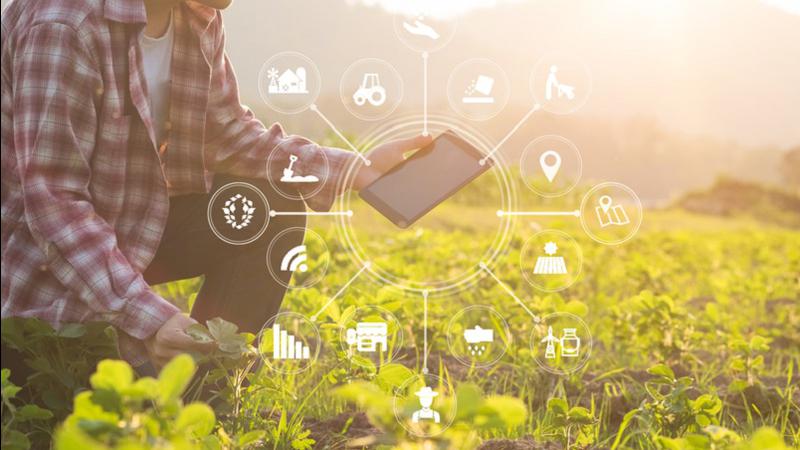
Virtual tools that help farmers make decisions

Sep 18, 2025 | 4:19 PM

From input costs to water usage and crop rotations, technology is transforming how producers plan for the future.

At Lethbridge Polytechnic, Research Associate Dr. Selin Karatepe is using advanced data modelling to create virtual tools that help farmers weigh every variable.

She graduated from Uludag University in Türkiye and holds a master’s degree and a PhD in econometrics, specializing in stochastic modeling and applied time-series econometrics.

Karatepe, who specializes in analyzing and modeling data, joined the polytechnic’s Centre for Applied Research, Innovation and Entrepreneurship (CARIE) in 2022.

“Time-series econometrics look at data sets over time,” Karatepe said. “The goal is not only to analyze data but to build models that reflect how systems interact and evolve.”

After working for several years as an assistant professor at her alma mater, Karatepe said she was ready for a new challenge.

“I was thinking about a post-doctoral research position, and this opportunity [at Lethbridge Polytechnic] came at the right time,” she said. “In data and in life, you can’t predict the future perfectly, but you can prepare for it. External shocks often disrupt established trends in ways we can’t foresee – that’s where the magic happens. It’s almost like a sudden shift in time and space, the kind you find in science fiction, when a story branches into alternate timelines.”

Though much of her earlier research focused on electricity markets, Karatepe applied econometric techniques across diverse areas of economic research. She now directs her expertise toward agriculture, where she sees clear parallels between the two fields.

“Electricity and agriculture keep the world going, and we need both to keep progressing as a society,” she explained. “However, while they both deal with scarce resources, environmental pressures and uncertainty about the future, it’s important to recognize that they function quite differently.”

Karatepe recently completed her first large project at the polytechnic: a decision-support tool for economic feasibility in controlled environment agriculture, including greenhouses and aquaponics systems. The virtual tool uses data and modelling to simulate financial projections while accounting for variability in factors such as input costs and market conditions to evaluate financial risk.

Next up for Karatepe is a new project developing a multi-objective model that maximizes both water productivity and economic value.

“As global food systems face increasing complexity, from tariffs to supply chain and logistical issues, there’s a growing need for econometrics in the day-to-day operations of producers,” Karatepe said. “Producers are realizing that maximizing yield doesn’t always translate to maximizing economic potential. Optimization, when all variables are considered, is key for producers contemplating their next steps.”

By using water-yield functions and climate scenarios, from droughts to ‘wet years’, the model will identify optimal crop rotations for producers. Beyond the farm level, she hopes to explore how decisions made at small scale interact dynamically with broader economic and social structures. In turn, this model will aid producers in preparing for broader forces such as political change, trade and tariffs, global demand and shifting weather patterns.

“What excites me is trying to understand dynamic systems in times of uncertainty,” says Karatepe. “Especially considering how variables interact over time, how causality works in complex systems – that’s what keeps me going.”

alice.mcfarlane@pattisonmedia.com

View Comments