Sign up for the farmnewsNOW newsletter
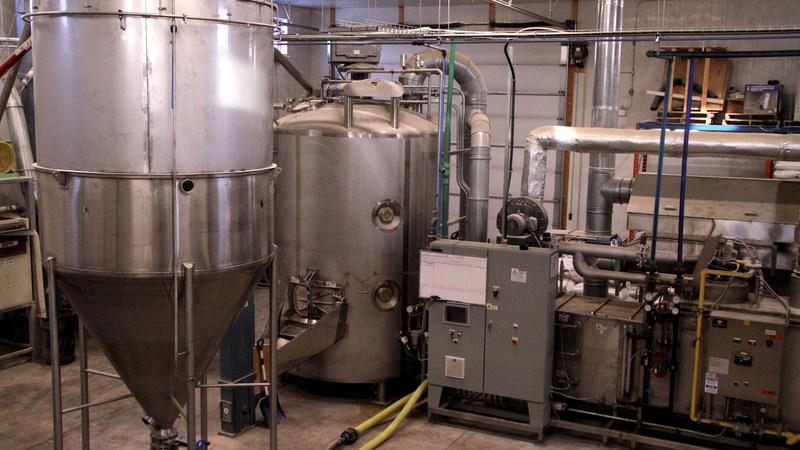
The small malting facility in Rosthern supplies malt barley for around 10 small craft breweries in central Saskatchewan. (Becky Zimmer/farmnewsNOW Staff)
Malting Barley

Beer from around the world grown on the prairies

Jan 17, 2022 | 7:11 PM

It starts with a seed and grows into the most popular type of alcohol worldwide.

While beer is made up of barley, hops, and yeast, it starts with the barley that is planted across Western Canada, especially in Alberta and Saskatchewan.

And research into malting barley is ongoing across the prairies. Institutions like the Crop Development Centre in Saskatoon, the Brandon Research and Development Centre in Manitoba and the Field Crop Development Centre in Olds, Alta., work to both further the growth of strong barley plants and better prepare the grain for the malting process.

Aaron Beattie, associate professor in the Barley and Oat Breeding Program at the centre in Saskatoon told farmnewsNOW beer producers have their own ways to develop flavours so Beattie said they breed barley with as neutral a background as they can to allow for that personalized flavour development.

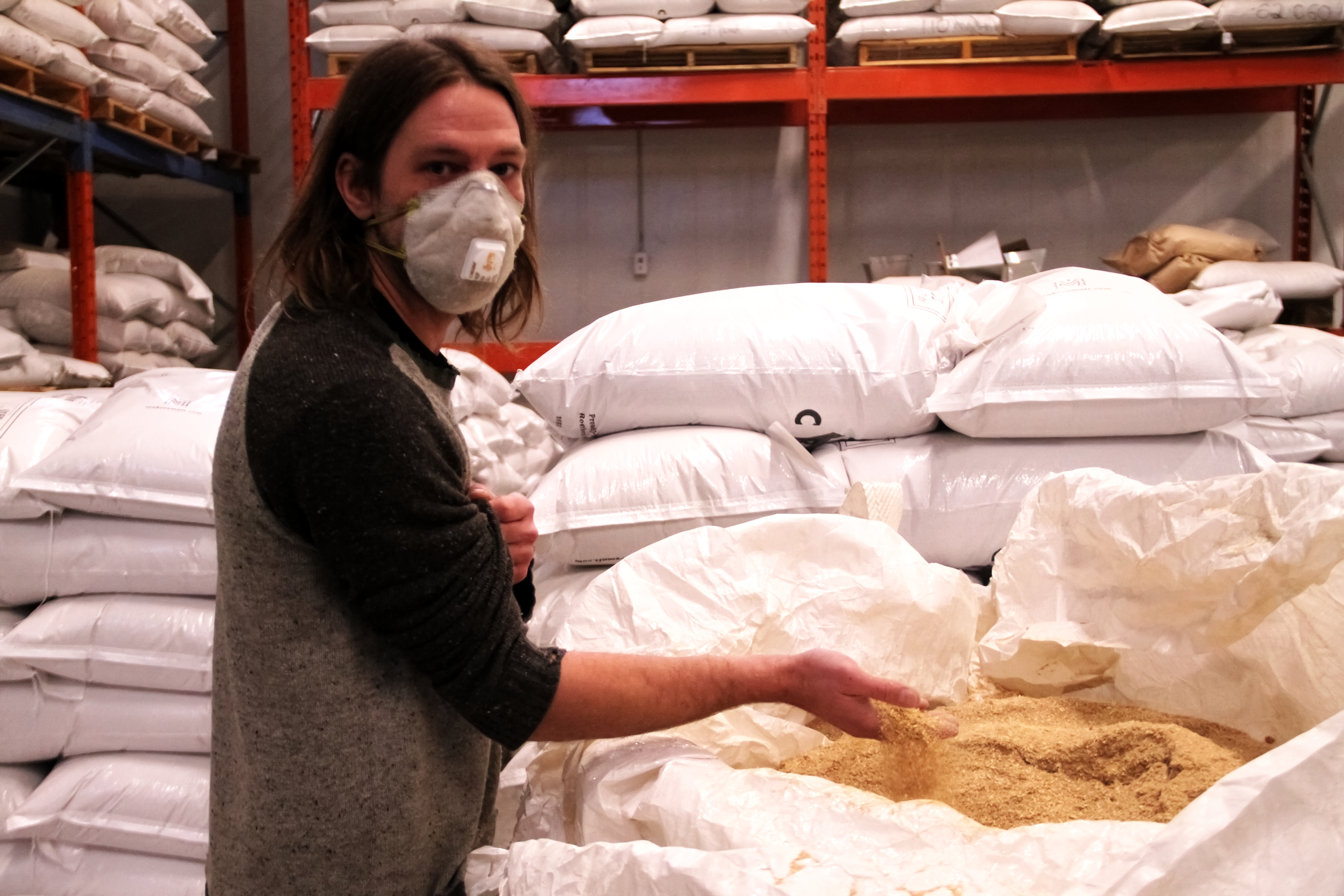
“As breeders, we really try to produce varieties that don’t have any sort of noticeable flavor defects, so some kind of strong off flavor that one can pick out when that variety is used in producing a given beer.”

The brewer has the most control of their flavour through either the malt, hops, or yeast they use with the malter having the second most control.

“That really depends on how they malt it and if they choose to roast it at all. Those can impart some pretty big flavors into the malt,” said Beattie.

At Maker’s Malt in Rosthern, as soon as barley is cleaned — with the chaff used for feed by a local cattle farmer — it is then dried using a conventional fan to take off 40 per cent of the moisture from the grain. Starting with a 3.7 metric tonne load of barley, by the time the drying is complete — a process that takes over 30 to 40 hours depending on the weather — what is left is about 3.2 metric tonnes of base malt, said maltster, Steven Maier.

Chaff is collected for local cattle producers following the barley being cleaned and prepared to be turned into malt. (Becky Zimmer/farmnewsNOW Staff)

“It’s energy intensive but it’s what you got to do.”

While the process is simple — grow a seed, dry a seed, make malt, said Maier — the Maker’s Malt maltsters manipulate the variables to get different flavours that brewmasters can use. Starting with the same seeds that a barley producer would put in the ground, when that same grain leaves their facility, what is left is enzymes and the starch that is broken down into simple sugars that the brewers use as a canvas for their own flavours.

Around 90 per cent of what the maltsters create is that base malt with the other 10 per cent being malt that is processed further to create different colours and flavours.

Just like in a kitchen, sugar cooks when heat is applied so the more heat the more the flavour is going to change to the colour and flavour Maier, and fellow maltster, Tim Loewen, are working towards. However, applying too much heat or heating the grain at the wrong time can degrade the enzymes brewmasters need in order to grow their beer.

Going further into the beer making process, starting with the base malt, Maier said they can then add small percentages of other malts to create unique flavours.

While words like honey bee, caramel and chocolate can prompt thoughts of sweet and rich flavours, the colour and the hints of these flavours in beers comes from the level of drying that Maier and Loewen use in their malting facility.

“We have sometimes 12 to 13 malts and all of those have a different flavor profile and a brewer just mixes those with their base malt in different proportions. That’s where the artistry of brewing kind of comes in.”

Tim Loewen quickly describes the process of turning grain into malt barley. (Becky Zimmer/farmnewsNOW Staff)

And all of this starts with the barley with six malting varieties currently being grown in Western Canada for the malting process; CDC Copeland, AC Metcalfe, AAC Synergy, CDC Fraser, CDC Churchill and AAC Connect.

Beattie said it can take eight to ten years to develop a new variety of malt barley, and there are a number of things that they are constantly trying to improve, said Beattie, including disease resistance and agronomics of the plant, like lodgability and increased yields.

For Matt Enns, grain producer and owner of Maker’s Malt, around 10 to 15 per cent of their barley produced goes into malting, one of the few value-add processes where the product has to be alive in order for it to go into the next step. Germinative capacity of the grain is a big part of making those choices. CDC Copeland has been a tried and true variety for them for over 20 years, even using it as a check for other “next generation” barley varieties that offer better disease resistance, yield potential, lodging, and malting/brewing profiles.

Enns told farmnewsNOW via email that he is finding that AAC Synergy, CDC Fraser, and AAC Connect are varieties that are starting to take acres away from Copeland and he has found success in growing these varieties. CDC Churchill is a new variety that he is most excited about planting.

“On paper may be the best of the bunch in terms of yield potential. As farmers get paid on yield this is obviously huge.”

This past growing season was supposed to be the first time Enns was going to grow Churchill barley on their operation but the drought caused growing complications and it was turned into feed.

While the barley grain itself has very little impact on the beer’s flavour without furthering the malting and beer making process, there are smaller components of the grain that can have a large impact.

Recent research has noted a particular enzyme called lipoxygenase, said Beattie. Flavour durability is impacted in varieties that do not have the specific enzyme.

“The beer that’s made from them basically has a longer shelf life, so there’s some sort of flavor stability aspect to incorporating that trait into barley varieties.”

This can also have an impact on “foam stability” which in markets like that of Japan is considered very positive.

“The longer that foam stays on top of the beer, it’s considered to be a positive attribute in beer, so this lipoxygenase enzyme also impacts that basically when that enzyme is absent.”

becky.zimmer@pattisonmedia.com

On Twitter: @bex_zim

View Comments