Sign up for the farmnewsNOW newsletter
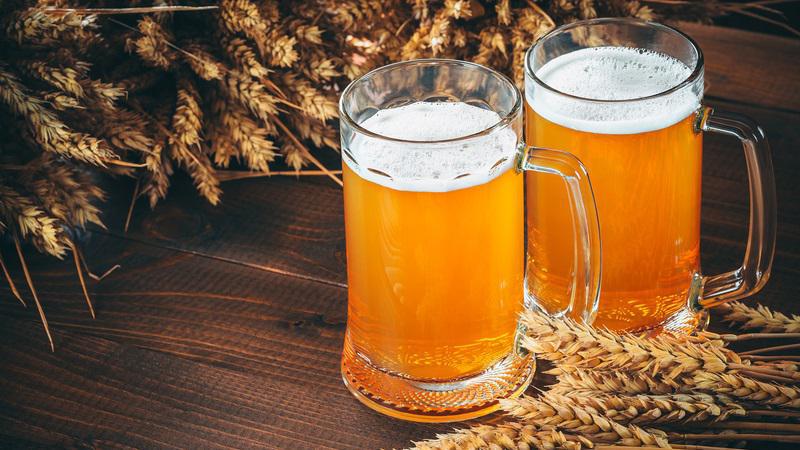
(ID 100581491 © Jeka84 | Dreamstime.com)
Growing beer

Barley industry takes a look at future heart and soul of beer production

Jan 17, 2022 | 7:12 PM

While barley production took a plunge in the 2021 fall production season, it may be a while before beer drinkers notice the change.

According to Statistics Canada, production fell 35.3 per cent to 6.9 million tonnes in 2021. Even while harvested acres rose 6.9 per cent to 7.4 million acres, yields fell by 39.5 per cent to 43.0 bushels per acre due to the drought that impacted the majority of Western Canada.

Tom Steve, general manager with the Alberta Wheat and Barley Commissions, told farmnewsNOW that Alberta is the top barley producer in the country with Saskatchewan following close behind, making them the heart and soul of beer production.

So what happens when production numbers drop due to harsh weather that is felt across the country?


While barley producers do have crops to sell, Steve said, it may be more profitable for producers to sell their grain as feed rather than part of the malting market.

While shortage drives up grain prices; which is good for producers, consumers are already seeing food prices across the markets rise. When consumers do start to see more cents adding up on their beer purchases, that won’t matter whether they are buying domestic or craft. Higher production costs will be felt by both the large and small beer producers.

This is “significant ripple effects throughout the value chain,” Peter Watts, managing director for the Canadian Malting Barley Technical Centre told farmnewsNOW. In a typical year around 95 per cent of barley is grown in Western Canada, nearly 19 million tonnes compared to half a million tonnes grown in Eastern Canada. It may take some time before higher beer prices are noticed.

“For consumers in terms of retail purchases that probably won’t trickle down until sometime in the new year, but it’s certainly being felt by the manufacturers already.”

Matt Enns, grain producer and owner of Maker’s Malt in Rosthern, told farmnewsNOW they use their own barley for their malting production. All their barley planted for the 2021 harvest, including some new varieties they were testing for malting potential, all got turned into feed. However, barley production from 2019, which was being saved as a crop failure contingency plan, may be enough to see them through to the next year of the malt production.

“We’ve expanded a little bit so what we extrapolated to save may not take us quite all the way through to harvest and in that case, what we’re doing is basically just going to be buying a little bit of grain from friends that happened to get good rains and have a good crop.”

Enns said he only needs about a couple 100 tonnes of barley a year for their small malt production facility.

Selling their finished product to about 10 craft beer producers in central Saskatchewan on a consistent basis — and three inconsistently — Maker’s Malt maltster, Steven Maier said they service small community brewmasters since bigger craft brewers would swallow up their capacity.

“We service the little guys, we offer free delivery on everything…We have a good relationship with our customers because they’re small and they understand we’re a small business as well.”

The growing number of craft beer users have been thriving on these small, locally owned malters, said Steve.

“It’s great for the economy, and it’s great for the producers that are growing that product that they can sell directly to an end user.”

In 2020/2021, Canada exported 4.57 Mt of barley with increased numbers of exports in previous years to markets in the United States, China, and Japan. Meanwhile 6.71 Mt were used domestically, said Watt. There has been a growth of the craft beer market in Western Canada over the past 10 years, he said.

“That’s really changed the landscape in all of the Western provinces. With all these new little craft breweries popping up that means a greater selection and variety of products,” said Watt.

Barley growers are coming off a four to five year high of barley production so that may soften the current blow of grain shortages for smaller malters, including Enns.

While the majority of barley produced on the prairies eventually winds up “through a cow”, Steve said the amount that is going into malting has been growing.

These barley producers have been consistently growing malt barley year in and year out but Watt said there is always room for more growers. Seeded acres have seen a gradual increase since 2014, and up until 2021, seeded acres were the highest levels in the last 10 years.

“Canada has new malting barley varieties that have better economics, better yields, better disease packages, etc., they’re increasingly competitive with other crops for producers.”

Steve said that barley is environmentally well-suited to life in Alberta and Saskatchewan soils. Economically, it can be cheaper to grow compared to other crops, for example, canola, which may have “a higher return on investment and a lot of years, but it’s also the cost of the seed, the cost of fertilizer, the cost of crop protection products is higher.”

Domestic feed markets and domestic and international beer markets also offer multiple market opportunities for barley growers that other crop markets do not have, said Steve.

“In years previous it wasn’t quite as well recognized because everybody was excited about growing canola.”

While there are current shortages in barley right now due to the drought, Watt said this is also due to strong global demand for both feed and malting barley. Other barley exporters, like Australia, Russia, Ukraine and Kazakhstan, will fill those market gaps if Canada isn’t able to export or fill domestic needs, said Steve.

“We don’t have as much product to sell this year internationally. But the domestic customers will always be looked after, because their transportation costs are much lower.”

becky.zimmer@pattisonmedia.com

On Twitter: @bex_zim

View Comments