Sign up for the farmnewsNOW newsletter
(Alice McFarlane/farmnewsNOW Staff)
Agriculture Roundup

Agriculture Roundup for Wednesday Feb.12, 2020

Feb 12, 2020 | 9:57 AM

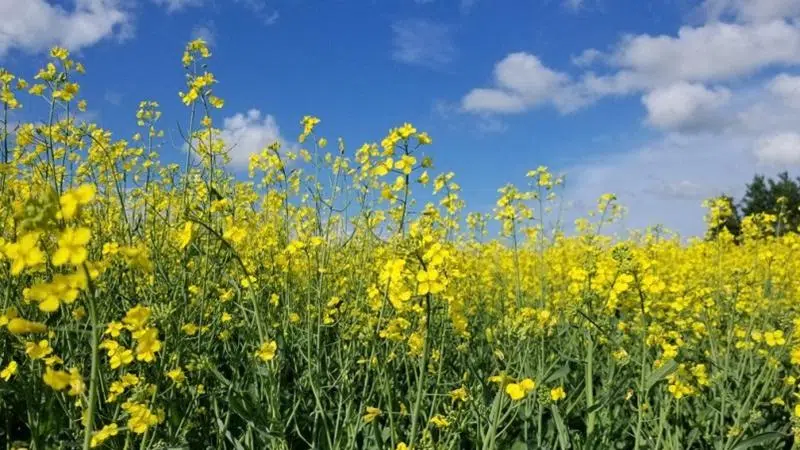
Producers can go online to get valuable information on canola varieties.

The 2019 Canola Performance Trials is a database that contains information on everything from days to maturity, lodging, height and yield.

SaskCanola’s Keith Fournier said producers can use the system to look for clubroot resistance and harvest management traits like lodging and pod shatter tolerance.

Results from the trials are based on 31 small plot and 60 field scale trials across the prairies.


SaskCanola, Alberta Canola and the Manitoba Canola Growers fund the program, along with contributions from the British Columbia Grain Producers Association.

Agriculture in the Classroom Canada and the British Columbia Agriculture in the Classroom Foundation celebrated Canada’s Agriculture Day yesterday by sharing agriculture and food with Vancouver high school students.

A one-day event called engAGe shared the varied career opportunities that exist in the sector.

Students had the chance to learn first hand about soil science, animal nutrition, business management, agriculture communications and the diverse career opportunities available that go far beyond the farm gate.

A newly published study from the University of Ottawa said bees are only half as likely to be found in areas where they were once common.

It measured the effect that climate change is having on bee populations.

Bee populations have taken a dive in recent years, afflicted by everything from parasites to habitat loss to pesticides.

Biologist Jeremy Kerr said climate change is another threat to the insects, which farmers depend on to pollinate their crops.

Using almost a century’s worth of records and data from more than half a million locations, he and his colleagues have teased out the effect of extreme weather events caused by what Kerr calls climate chaos.

He concluded that hot spells and torrential rains make it slightly less than a 50-50 chance a meadow or vacant lot that held bees a few decades ago still does.

He says the method he’s helped develop should be useful to understand the declining numbers of many other species.

alice.mcfarlane@jpbg.ca

On Twitter: AliceMcF

View Comments