Sign up for the farmnewsNOW newsletter
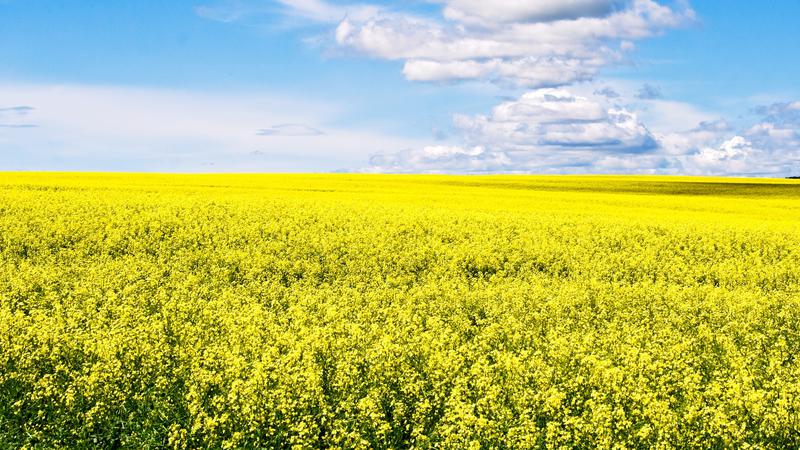
(Photo 11173329 © Janks | Dreamstime.com)
Ag Report

Agriculture Roundup for Thursday, August 8

Aug 8, 2024 | 11:25 AM

The recent warm, dry weather continues to advance crops across the province.

However, according to Saskatchewan Agriculture’s weekly Crop Report, the conditions have also led to a further decline in yield potential for some crops, with any moisture likely being too late for advanced crops.

Producers indicated that any moisture would still be beneficial for late-seeded crops to help with fill, as well as supporting pasture conditions.

Harvest is now underway in parts of the province, with two per cent of harvest now complete, right along with the five-year and 10-year averages.

The southwest has seen the most harvest progress, with four per cent complete, followed by one per cent in southeast and east-central Saskatchewan. All other areas are prepping for harvest.

Provincially, fall rye is 15 per cent harvested, with winter wheat at 12 per cent. Field peas are at nine per cent harvested, along with eight per cent of lentils.

Haying operations are winding down, with dryland alfalfa yields estimated to be 2.13 tonnes per acre. Greenfeed estimates are 2.63 tonnes per acre, irrigated alfalfa 2.79 tonnes per acre, with greenfield yield at 3.34 tonnes per acre. Silage yields are estimated to be 5.67 tonnes per acre province wide.

Some areas received a decent amount of rain over the past week, including the Christopher Lake area at 42 mm, Foam Lake at 36 mm, Marengo at 32 mm, and the Prince Albert area at 30 mm. However, many areas still received little to no rain.

Cropland topsoil moisture provincially continued to decline last week, rated at 29 per cent adequate, 53 per cent short, and 18 per cent very short. Hayland topsoil moisture is reported at 27 per cent adequate, 51 per cent short, and 22 per cent very short. Pasture topsoil moisture is at 20 per cent adequate, 50 per cent short, and 30 per cent very short.

Most crop damage from last week was a result of the lack of moisture and heat, with wind, aphids, and grasshoppers also causing damage. Some producers are observing sclerotinia stem rot emerging in their canola fields.

Cattle producers are keeping a close eye on the poor air quality in the province.

The cattle seem to be holding up well despite the conditions, but Don Connick of the Agricultural Producers Association of Saskatchewan (APAS) has concerns about other animals, especially working horses.

Their lungs are typically impacted more by wildfire smoke.

Connick is also concerned about what drought conditions could mean for farm animals.

View Comments