Sign up for the farmnewsNOW newsletter
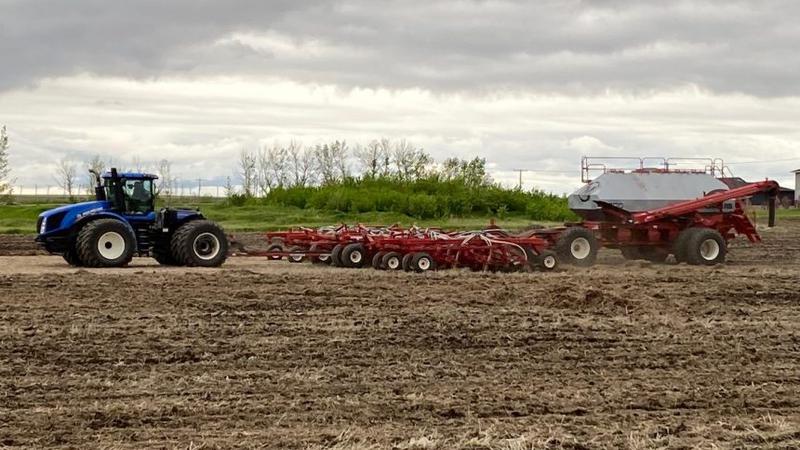
(980 CJME file photo)
SEEDING

Seeding in Saskatchewan behind five-year average

May 11, 2023 | 3:12 PM

Not surprisingly, the sloppy weather in April delayed seeding across Saskatchewan.

According to the first crop report of the year, nine per cent of the crop is in the ground in the province – well behind the five-year average of 23 per cent for this time of year.

The report, issued Thursday by the Ministry of Agriculture, said seeding is furthest ahead in the northwest (17 per cent), west-central (14 per cent) and southwest (13 per cent) regions.

Seeding is behind in the east, where there was more snow and water in the fields took longer to disappear. Seeding was seven per cent done in the northeast, while some producers in the southeast (three per cent) and east-central (three per cent) regions were still dealing with water in the fields.

The report said some farmers already have fears about moisture.

“Producers in the southwest and west-central regions are already raising concerns about how dry their fields are and are hoping for a good soaking rain once the majority of seeding is finished,” it said.

The report said topsoil moisture for cropland was rated as five per cent surplus, 72 per cent adequate, 21 per cent short and two per cent very short. Moisture levels in hay and pasture land were rated as two per cent surplus, 66 per cent adequate, 28 per cent short and four per cent very short.

“Livestock producers in areas that did not receive adequate snowfall are anticipating minor to moderate water shortages over the next two months if they do not receive a significant rainfall,” the ministry said.

“Snowmelt runoff improved this spring compared to previous years with 21 per cent of crop reporters receiving above normal, 57 per cent normal and 22 per cent below normal levels of runoff. Of these reporters, 75 per cent reported that the amount of runoff received would fill dugouts and water bodies in their area which is reassuring news for livestock producers who have had two difficult years with water quality and quantity.”

The report said livestock producers want to see warm weather and light rains to ensure cattle have adequate feed while on pasture.

View Comments