Sign up for the farmnewsNOW newsletter
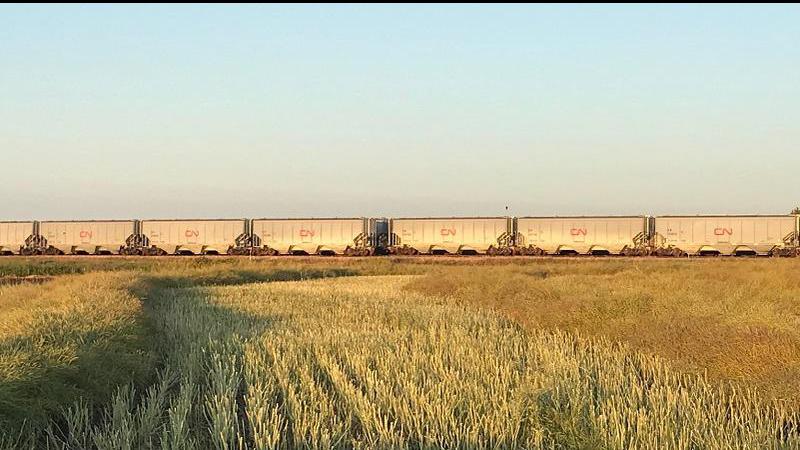
(File photo/farmnewsNOW staff)
Grain Shipments

Grain shipments pick up in second half of crop year

Jul 31, 2020 | 10:53 AM

The first half of the crop year saw delays in grain shipments but there has been significant recovery in exports.

With the crop year ending Friday, shipments are moving at a fast pace according to the Executive Director of the Western Grain Elevator Association, Wade Sobkowich.

“We started shipping more grain than we ever have between March and the end of July and that in part is due to a reduction in shipping in other sectors,” Sobkowich said.

In the beginning part of the year, it was predicted that there would be a major carry out at the end of the year.


A normal carry out is now expected because shipping has been made up due to available rail capacity.

The COVID-19 pandemic saw a downturn in demand of oil and gas and forest products and so that capacity was available for grain.

CN Rail reported they set a new record by moving more than 30-million metric tonnes of grain across the country during the last crop year and that includes more than 28 million metric tonnes from Western Canada.

From a grain movement point of view, there are two parts to the crop year.

“In the first part, we were dealing with a late harvest so we started behind in shipping and then we had to deal with a wash out situation on the CN line in particular,” Sobkowich said. “We also had the blockades which also held back shipping.”

Shipping was severely delayed until the end of February when the blockades ended.

“Having grain that was ready to go and wanted to get to port position to meet sales that were already on the books and vessels that we waiting for that grain to arrive,” Sobkowich said.

On average, the crop year as a whole ends up in a decent place.

When looking at supply in demand and market forces as it applies to Canadian grain shipments, it’s much different than other sectors.

“When there is a reduction in demand in other sectors, they can turn back taps on production and scale back on shipping but in the grain sector it is the opposite,” Sobkowich said. “When prices for grain go down farmers tend to want to grow more and then we are looking at a higher shipping scenario from a volume perspective.”

The COVID-19 pandemic has really highlighted the differences between the grain sector and other sectors.

Outlook for moving the fall harvest to market is looking good as most areas have good looking crops.

“We may be looking at another high tonnage situation and that is a very positive thing,” Sobkowich said. “It all depends on is what sort of rail capacity the rail companies have for grain and how quickly other sectors are going to be increasing demand for rail shipping.”

CN has said it is prepared to move up to 7,600 bulk and processed hopper cars per week this crop year.

angie.rolheiser@jpbg.ca

On Twitter: @Angie_Rolheiser

View Comments