Sign up for the farmnewsNOW newsletter
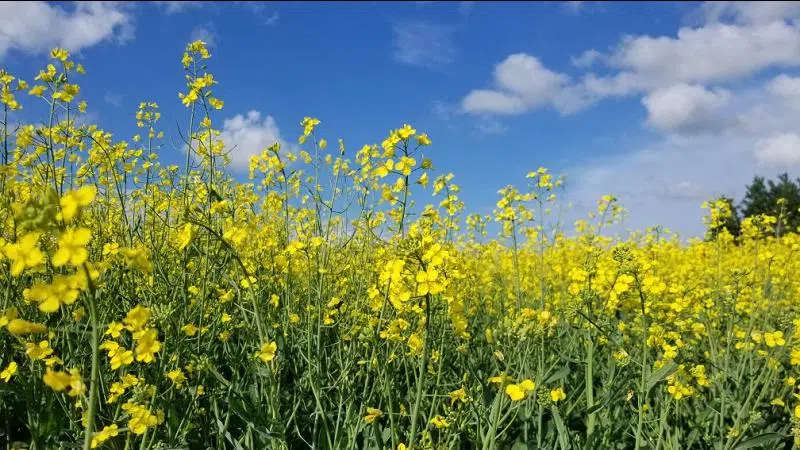
(Alice McFarlane/farmnewsNOW Staff)
Canadian Canola

Canada/China discuss canola trade dispute

Oct 30, 2019 | 3:33 PM

It’s taken nine months but Canada finally had its first official meeting with Chinese officials on Monday in Geneva, Switzerland.

It was part of the World Trade Organization (WTO) consultation process to attempt to resolve the dispute over canola shipments to China.

The Canola Council of Canada (CCC) vice president of public affairs Brian Innes was part of the Canadian delegation.

“There were face to face discussions between the two governments. This follows Canada’s request in early September for China to come to the table and explain why its measures that it was taking weren’t consistent with the WTO obligations,” Innes said. “So, essentially the discussions were about how China’s respecting or not respecting their obligations to make any measures that they put in place to protect their own plants in China be based on science and to have the least impact on trade as possible.”


Innes said they are waiting to hear what came from those discussions. He said the CCC will be working closely with the government of Canada once they get back in Ottawa to understand what happened.

“But, we understand at this point there was good dialogue and for us that’s really important from a Canola Council perspective and the whole canola industry including farmers because what we want to do is to be able to resolve our issues with China and get to back to exporting our canola seed to China and we feel a dialogue is the best way to do that,” Innes said.

If they are unable to reach a consensus there would be more meetings either face to face or other discussions.

“What we want to do is get access to the market and what’s been clear to us here is that we just can’t flip a switch at the WTO and get our ability to send canola seed back to China,” Innes said. “So what we want to see is more dialogue. What we want to see is continued efforts to regain access and, if necessary, we may have to take further action through the WTO like a dispute settlement, but we’re just not there yet.”

The Canola Council also met with European Union (EU) officials last week in Brussels. Innes said the EU had a poor rapeseed crop and with lower world canola prices has turned to Canada to fill some of the gap. The challenge is meeting a wide array of EU greenhouse gas emission (GHG) regulations.

“Every feedstock that goes into biofuel production needs to meet the requirements for European regulation. So essentially certifying it as sustainable and it also has to have certain levels of GHG emission reductions shown for all of the canola that goes into biofuel production,” Innes said. “We were meeting with a number of folks in Brussels. Stakeholders including the European government, the European commission to talk about how we can get better access for our canola to serve more biofuel diesel facilities in the EU.”

Innes explained Canada produces canola a bit differently than they do in the European Union. Even though both have to meet the requirements of the regulations, the way those regulations are put in place impacts how Canada can send its canola and which plants it could go to.

“What we were doing was sharing what we do here in Canada to produce canola and explain why we should be able to send our canola to all the biodiesel facilities in the EU. They use a lot of canola for biofuel in the EU, almost two-thirds of the EU rapeseed crop goes to produce biofuel. In fact, as a jurisdiction they use about three times more biofuel in their diesel then we do here in Canada. So about three times more renewable content in their diesel fuel then we have in Canada,” Innes said.

“It’s a big market. Certainly one that’s really hot this year with a small crop in Europe. As farmers know we have a lot of canola to sell and it’s a good time for us to get better access to the European Union.”

Innes also said the Canola Council will continue to lobby the federal government to increase the biofuel content in Canadian diesel fuel.

alice.mcfarlane@jpbg.ca

On Twitter: @AliceMcF

View Comments